Truffle Mustard Ingredients: Using Truffle Essence in Food Production
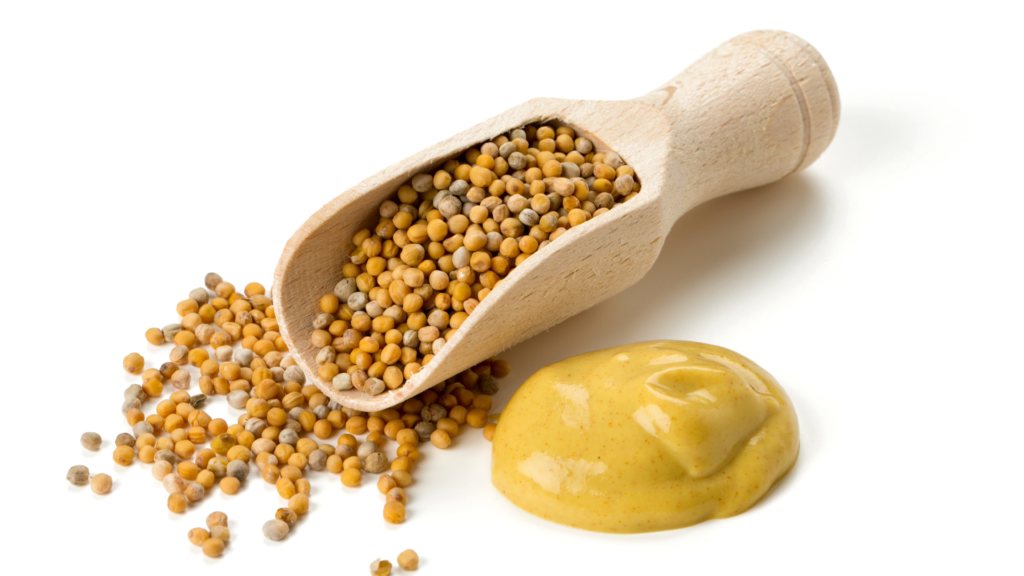
Truffle mustard combines the acidity of traditional mustard with the earthy, umami character of truffle. For condiment manufacturers it sits in a high-margin category, and the finished product lives or dies on one decision: how you source and dose the truffle component.
This guide covers the ingredient list, the role of concentrated extract, sourcing considerations, and how to scale from pilot batch to production run. For the broader picture on truffle flavoring for industrial food processing across cheese, dairy, snack seasoning, and bulk oil, start with our manufacturer hub.
Starting inclusion rate: approximately 0.1% of total batch weight. Validate on a pilot batch and adjust to your target intensity before locking the spec.
What Truffle Mustard Is
Truffle mustard is a blend of mustard seed, vinegar, and a truffle component, either concentrated extract or truffle solids. Three formats dominate the market:
- Dijon truffle mustard. Smooth and sharp, with truffle as a background note.
- Whole-grain truffle mustard. Textured, with visible mustard seed and a more rustic positioning.
- Honey truffle mustard. Sweetened, earthier, and the easiest of the three to sell into gourmet gift and charcuterie channels.
Ingredient Breakdown
Each component has a specific function in the finished product.
| Ingredient | Function |
|---|---|
| Mustard Seed | Base and structure. Yellow is mildest, brown and black bring more heat and pungency. |
| Vinegar | Acidity and preservation. White wine, apple cider, or balsamic depending on target profile. |
| Truffle Extract | The aromatic. Oil-soluble, dosed at roughly 0.1% of batch weight. |
| Sweetener | Optional. Honey, sugar, or maple to balance acidity and carry the truffle note. |
| Spices & Herbs | Garlic, black pepper, or thyme for depth. Use sparingly so they don’t compete with the truffle. |
| Water or Wine | Consistency control and flavor adjustment. |
Why Concentrated Extract Over Fresh Truffle
Fresh truffle introduces variables that do not survive contact with a production schedule. Aroma intensity shifts by harvest and by region. Availability is seasonal. Cost per unit is high and unpredictable. Shelf life after harvest is measured in days.
A concentrated extract removes all four problems:
- Consistent aroma. The same intensity in every batch, independent of season.
- Cost control. A fraction of the per-unit cost of fresh truffle inputs.
- Format flexibility. Works across Dijon, whole-grain, and honey bases without reformulating.
- Shelf stability. No cold chain requirement, no spoilage window.
Applications Beyond the Jar
Truffle mustard is not only a standalone SKU. It functions as an intermediate ingredient across several categories:
- Retail condiments. Premium standalone jar for grocery and specialty channels.
- Dressings and marinades. As a flavor base in salad dressings, glazes, and dipping sauces.
- Snack coatings. Glazes for pretzels, crackers, and roasted nuts.
- Ready meals. Pre-packaged sandwiches, charcuterie kits, and gourmet meal boxes.
- Bakery. Savory pastries, crackers, and specialty breads.
Sourcing the Truffle Component
The mustard seed and vinegar side of the supply chain is well established. The truffle extract is where most manufacturers get it wrong.
What to look for
- A supplier who can provide a spec sheet and COA for your QA team.
- Samples for bench testing before you commit to a production quantity.
- Bulk formats so you are not reordering mid-run.
- Clean label compatibility, so you avoid an allergen statement and simplify regulatory approval.
Test both profiles first
Black truffle runs earthy and roasted. White truffle runs sharper and more garlicky. For mustard, black is the more common choice, but white produces a brighter product that pairs differently with honey bases. Most producers spec one before testing the other and end up reformulating.
Scaling From Pilot to Production
- Lock the recipe. Exact weights for every input, documented before the first production run.
- Mix mechanically. Industrial mixers ensure even distribution of the extract through the batch. Hand mixing at volume produces hot spots.
- Pre-dilute the extract. Blend it into a small fraction of the batch first, then return that carrier to the main mix. This is the fastest way to eliminate uneven intensity.
- Test every batch. Flavor, consistency, and shelf life, logged against lot numbers.
Frequently Asked Questions
Can I use truffle oil instead of extract?
You can, but truffle oil is already diluted, so you lose dosing control and add carrier oil to a product that does not need it. Extract gives you a tighter spec and better cost per finished unit at volume.
How long does truffle mustard last?
Stored correctly, 12 months is a reasonable shelf life target. Validate against your own formulation and packaging.
Can the flavor profile be customized?
Yes. Adjust the extract inclusion rate, sweetener level, and spice blend. The extract dose is the main lever for truffle intensity.
Black or white truffle for mustard?
Black is the more common choice and holds up better against vinegar acidity. White works well in honey-forward formulations. Test both before committing.
Start With a Sample Batch
Before you order production quantities, run a bench test. A 5 ML sample is enough to validate intensity and confirm which profile suits your base. From there, scale into the size that matches your run volume.
Spec Both Profiles
Order either 5 ML sample and we add the other flavor profile free, with free US shipping. Test black against white before you lock your formulation.
Order Samples For Manufacturers
Recent Comments